
- Home
- Blog
- Egypt Travel Guide & Blog – Explore Egypt’s Top Attractions & Inspiring Travel Tips
- Discover the Timeless Wonder of the Mortuary Temple of Queen Hatshepsut
- On 19 Dec 2025
- In Egypt Travel Guide & Blog – Explore Egypt’s Top Attractions & Inspiring Travel Tips
- Tags
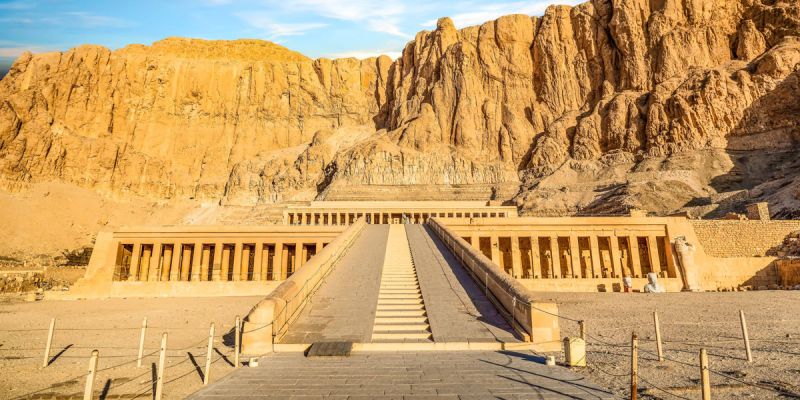
Steeped in mystery and monumental in design, the mortuary temple of queen hatshepsut is one of ancient Egypt’s most breathtaking architectural legacies — and an absolute must-see for journey lovers heading to Luxor. Built into the limestone cliffs of Deir el-Bahari on the Nile’s west bank, this extraordinary funerary complex invites visitors to step back into an age where power, divinity, and artistic genius met in perfect harmony.
More than just a relic of the past, the mortuary temple of queen hatshepsut stands today as an inspiring testament to one of history’s most remarkable rulers — a woman who defied convention and reshaped Egypt’s destiny. Every terrace, colonnade, and carved relief tells a story worth discovering.
Why the Mortuary Temple of Queen Hatshepsut Is Unforgettable
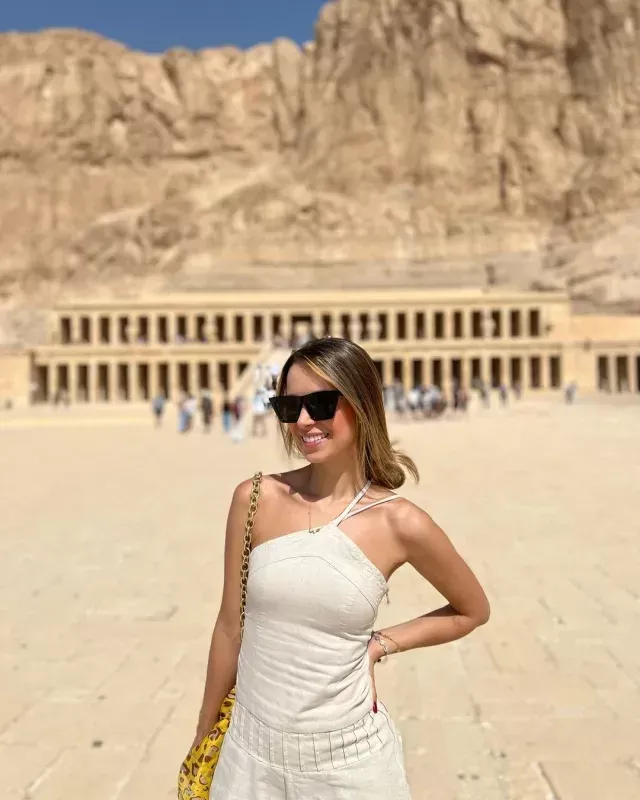
Imagine arriving at a temple that seems to rise naturally from the desert into massive, towering cliffs. Weathered by millennia yet still strikingly elegant, the mortuary temple of queen hatshepsut instantly captures the imagination. Its terraced levels — once linked by lush gardens, long ramps, and reflecting pools — create a layered visual experience you won’t find anywhere else.
Designed by Senenmut, the trusted steward and architect to Hatshepsut herself, this architectural marvel was intended as both a spiritual sanctuary and a powerful declaration of her reign. Built around 1479 B.C., the temple blends religious devotion with grand aesthetics, all set against a backdrop of sheer limestone walls.
Why wait? Dive into the magic of Egypt today with Spirits Travel—you’ll find paradise, history, and soulful adventure all in one unforgettable place.
A Temple Built by a Queen, Remembered for Eternity
What makes this place especially compelling is its founder. Queen Hatshepsut — one of ancient Egypt’s few female pharaohs and undoubtedly one of its most successful — commissioned this temple not merely as a place of worship but as a monument to her life and legacy.
Despite living in a society dominated by male rulers, she rose to power and ruled for more than two decades, overseeing architectural projects, expanding trade routes, and bringing unprecedented prosperity to Egypt. Her influence is powerfully embodied in her temple at Deir el-Bahari, designed to affirm her divine right to rule.
The temple’s relief carvings illustrate key episodes of her reign — including her legendary expedition to the ancient land of Punt and the divine narrative of her birth, where Amun is depicted as her heavenly father. These scenes are as rich in storytelling as they are in artistic mastery

Exploring the Architectural Marvel
At first glance, the mortuary temple of queen hatshepsut presents a harmony of stone, shadow, and open space. Its three terraces ascend gradually from the desert floor, linked by gently sloping ramps that once led through gardens of imported trees and shrubbery.
Each level held special significance:
-
Lower Terrace: Served as the formal entrance and was once flanked by pools, statues, and lively courtyards.
-
Middle Terrace: Decorated with scenes celebrating Hatshepsut’s reign and accomplishments.
-
Upper Terrace: The heart of the temple, featuring sanctuaries dedicated not only to Hatshepsut but also to Amun, Hathor, and Anubis.
Walking through this structure is like moving through chapters of an ancient storybook — every angle offers a new perspective and deeper sense of connection to the past.
Stories Etched in Stone
Few ancient sites offer such expressive storytelling as this temple. The walls and columns are richly carved with scenes that chronicle royal rituals, divine encounters, and dramatic ventures beyond Egypt’s borders.
One of the most celebrated reliefs depicts Hatshepsut’s historic expedition to Punt — a voyage so significant that it was immortalized in stone to celebrate trade, diplomacy, and the queen’s leadership. Other panels detail religious rituals and rites of worship, offering visitors a rare glimpse into spiritual life in the New Kingdom.
These stories make the temple more than an archaeological site — they transform it into a deeply immersive historical narrative that brings ancient civilizations to life.
The Tomb and Legacy of a Legendary Queen
While the temple was built to honor both Hatshepsut and the gods, her queen hatshepsut tomb lies further within the Theban Necropolis, a vast burial ground that includes the Valley of the Kings and the Valley of the Queens.
Her burial was a part of a carefully orchestrated mortuary complex, connected by ancient causeways and surrounded by other temples and tombs that define Luxor’s sacred landscape. Sadly, after her death, her stepson Thutmose III attempted to erase parts of her legacy — defacing statues and removing her name from monuments. Yet today, her temple endures as her most triumphant testament.
Thanks to modern archaeological work and restoration, visitors can still admire key elements of this monument and understand the impressive role she played in history.

What to Expect When You Visit
Visiting the mortuary temple is an experience that combines awe-inspiring architecture with cultural depth. To fully appreciate your trip:
-
Go early in the morning or late in the afternoon to enjoy cooler temperatures and softer lighting.
-
Hire a knowledgeable guide to help decode the reliefs and explain the historical context behind each terrace and sanctuary.
-
Pair your visit with the neighboring Valley of the Kings and Karnak Temple for a fuller Luxor adventure.
Whether you’re a history enthusiast, an architecture lover, or simply a curious traveler, this temple stands out as a highlight of Egypt’s West Bank.
Why You Shouldn’t Miss It
The mortuary temple of queen hatshepsut is more than a photo opportunity or a stop on a bucket list — it’s a journey into the heart of one of the most compelling ancient stories ever told. From its dramatic setting to its expressive carvings, this temple invites you to connect with history on a personal level.
Rich with symbolism, legacy, and architectural brilliance, it’s a destination that rewards every traveler who makes the pilgrimage to Luxor. It doesn’t just show you the past — it makes you feel it.
Ready to Explore Ancient Egypt with Spirits Travel?
Don’t wait! Whether you’re planning your dream vacation or seeking expert guidance, make the mortuary temple of queen hatshepsut a cornerstone of your Egyptian journey. Contact us now to design your perfect itinerary, get insider tips, and unlock exclusive tours tailored to your interests. Adventure awaits!
What Our Travelers Say
Real reviews from our travelers
Sarah W. – United Kingdom
Booking with Spirits Travel was the best decision we made. The itinerary was well-balanced, the accommodations were excellent, and the support team was always available. Egypt exceeded our expectations, and the service was outstanding
Michael T. – United States
Spirits Travel made our trip to Egypt smooth and stress-free. From the moment we landed, everything was perfectly organized. The guides were knowledgeable, friendly, and always on time. We felt safe and well taken care of throughout the journey.
Daniel R. – Canada
We wanted a customized experience, and Spirits Travel delivered exactly that. Every detail was handled professionally, and communication was clear from start to finish. Highly recommended for anyone visiting Egypt for the first time.

Emily K. – Australia
I was a bit nervous before traveling, but Spirits Travel completely put me at ease. Everything ran smoothly, and the local team was incredibly helpful. It was an unforgettable experience, and I would absolutely travel with them again.